The Handoff Standard: Why Premium Airport Service Is an Operations Discipline
The finest airport experience is not defined by spectacle, but by the quality of every handoff. VERTU England considers how intelligent airport assistance can make global passage more discreet, faster and more comfortable.
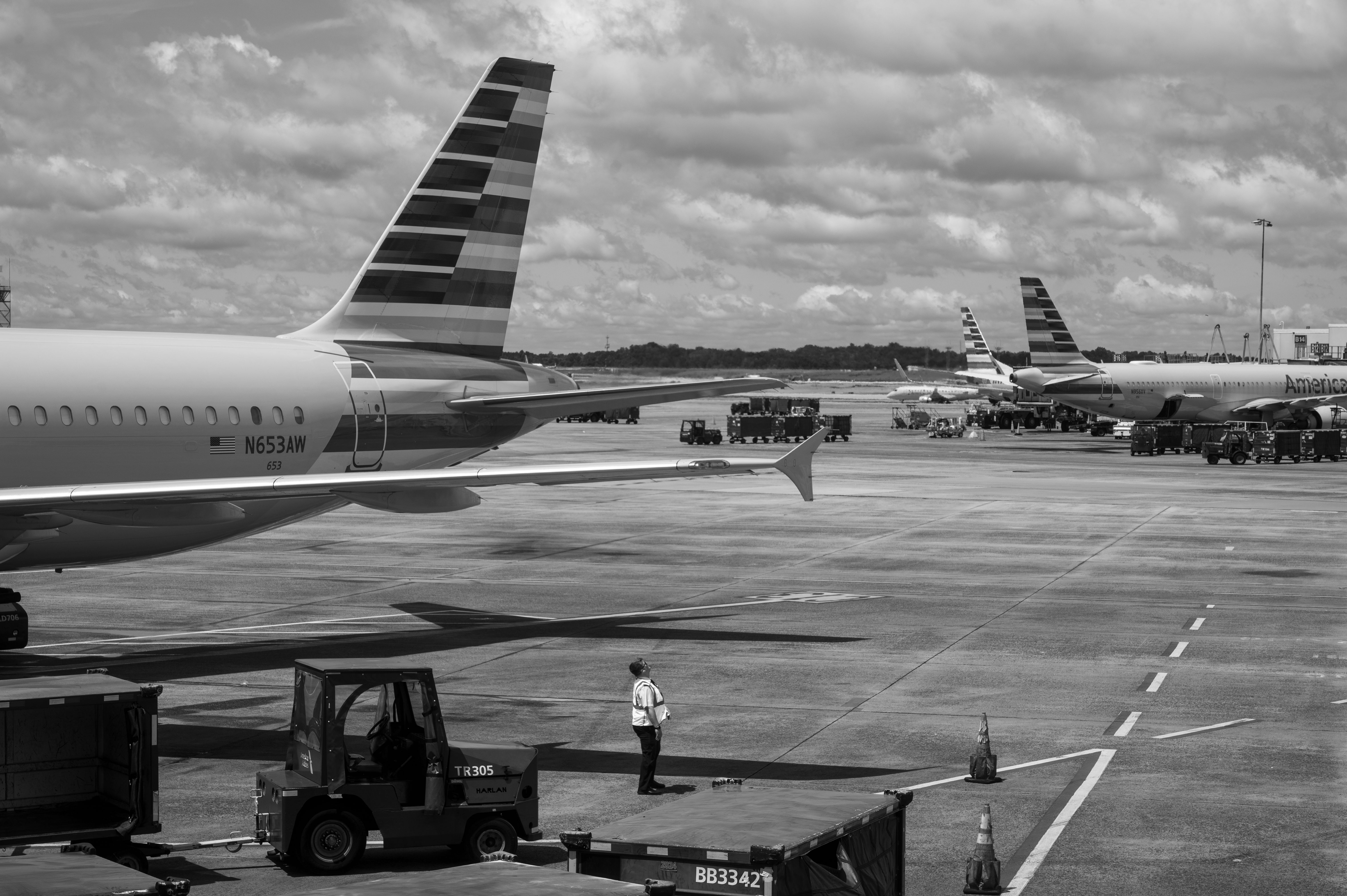
For the global traveller, the airport is rarely one experience. It is a sequence of handoffs: from vehicle to terminal, terminal to check-in, check-in to security, security to border formalities, and finally from the aircraft to the next point of arrival. Each transition carries a small uncertainty. Together, they determine whether a journey feels composed or unnecessarily exposed.
This is where premium airport assistance earns its place. Not as theatre, and not as a promise to remove every rule or queue, but as a carefully coordinated layer around the traveller. Public descriptions of VIP airport concierge services commonly include meet-and-greet support, luggage assistance, airport navigation, fast-track options where available, lounge access and help during arrivals, departures or connections. The meaningful distinction is not the size of the welcome. It is the quality of the handoff.
For VERTU England, the idea of Global Top Private Airport Services and VIP Channels begins with this operational question: how can a passage through a complex airport become more discreet, faster and more comfortable without becoming more complicated for the client?
The real luxury is a controlled transition
Luxury travel is often described through visible objects: a private vehicle, a quiet lounge, a dedicated suite. Those elements can matter, but they are only the surface of a more consequential service. The deeper value lies in reducing the number of decisions a traveller must make while moving through an unfamiliar system.
At a well-coordinated airport, the traveller should not need to repeatedly ask where to go, which document is required next, whether luggage has been transferred, or how much time remains before boarding. A professional airport host can provide orientation and continuity while the traveller retains control of the journey. The service is therefore less about being seen and more about being quietly accounted for.
This is also why "VIP" should not be treated as a single, universal product. The market itself shows a range of service levels. SkyVIP publicly distinguishes between meet-and-greet assistance, a VIP terminal experience with chauffeured aircraft-to-lounge transfer, and a private-suite option with a more secluded setting. The Points Guy similarly describes airport concierge services as varying by airport, provider, itinerary and level of assistance, with availability and scope subject to local conditions.
The lesson is simple: a premium airport service is only as credible as its operating detail.
From assistance to intelligent operations
The role of a VIP Terminal Manager is not limited to greeting a passenger at the gate. It is closer to managing a live operating picture. The relevant variables may include the traveller's arrival or departure point, connection time, terminal layout, baggage status, mobility needs, language preferences, lounge availability, border-control procedures and the rules of the airport in question.
This is where AI and digital enablement become useful - not as a substitute for human judgment, but as a way to organise information before it becomes friction. A more intelligent service model can help structure a request, identify the critical transitions in an itinerary, surface missing details, coordinate updates and maintain a clear service record for the people responsible for delivery. The client experiences calm; the operating team works from a more coherent brief.
The principle matters. Technology should remain in the background. It should make the service more prepared, not more visible. A traveller should feel that the journey has been understood, not that they have been placed inside a software workflow.
The best digital layer is the one that improves preparedness while preserving the discretion of the human encounter.
Three moments that define the service
1. Arrival: orientation before exposure
Arrival is often the most demanding moment. The traveller may be tired, unfamiliar with the language, carrying luggage, meeting a driver or moving toward immigration and customs. Public airport concierge descriptions commonly position the greeter at the aircraft, gate or curb, with support extending through airport formalities and baggage collection depending on the airport and service booked.
The value is not simply speed. It is the prevention of avoidable uncertainty: finding the correct route, understanding the next step, and keeping the passage orderly when the terminal is crowded. For clients who value privacy, a composed arrival can be as important as an expedited one.
2. Departure: protecting the margin
Departure assistance begins before the traveller reaches the gate. It may involve curbside reception, check-in orientation, luggage coordination, security or passport-control support where available, and guidance to a lounge or boarding area. The exact service is airport-specific; providers state that not every tier is available at every location and that local regulations can limit what an agent may do at border-control points.
This makes preparation essential. A premium service should clarify the meeting point, timing, luggage expectations, service scope and any limitations before the traveller arrives. The goal is not to promise the impossible. It is to protect the traveller's time by making the possible clear.
3. Connection: continuity between two flights
A connection compresses the journey into a narrow window. The traveller must leave one aircraft, navigate an unfamiliar terminal, manage formalities, locate the next gate and respond to any change in timing. Publicly described concierge services include assistance for connections, airport navigation, luggage handling and, at certain airports, escorted or chauffeured transfers.
Here, the most valuable asset is continuity. The traveller should not have to restart the journey at every checkpoint. A coordinated service can carry the brief forward, monitor the key transition and keep the next decision legible.
Discretion is an operating standard
Discretion is sometimes confused with invisibility. In practice, it means knowing when to be present and when to step back. It means communicating only what is necessary, protecting the traveller's personal space, and avoiding the performative gestures that turn assistance into attention.
For VERTU's intended clientele, discretion also has a digital dimension. Personal travel information should be treated as operationally sensitive. The service conversation should focus on what is required to deliver the journey: itinerary, timing, passenger requirements, meeting arrangements and confirmed service boundaries. A refined experience is not one that collects more information than necessary; it is one that uses the right information with discipline.
What a serious service should make clear
Premium positioning should never replace precision. Before confirming an airport service, clients should receive a clear understanding of what is included, what depends on airport conditions, and what remains outside the provider's authority. The public market makes this variability visible: pricing, advance-booking windows, duration, customs assistance, lounge access and transport options can differ substantially by destination and package.
| Operating question | Why it matters |
|---|---|
| Where does the meeting take place? | A precise meeting point prevents the first handoff from becoming a search. |
| Is the service for arrival, departure or connection? | Each journey type requires a different operating plan. |
| What happens to luggage? | Porter support and baggage coordination should be stated, not assumed. |
| Which formalities can be assisted? | Security, immigration and customs access depend on airport rules and local regulation. |
| Is lounge or private-suite access included? | Premium amenities vary by destination and service tier. |
| What is the contingency plan? | Delays and schedule changes are normal operating conditions, not exceptional surprises. |
This level of clarity does not diminish luxury. It is what allows luxury to remain credible.
A quieter definition of speed
Speed is not always a shorter queue. Sometimes it is the time saved by avoiding a wrong turn, a duplicated explanation or a preventable delay between teams. Sometimes it is the ability to move through a connection without spending the entire interval negotiating the airport's geography. Sometimes it is simply arriving at the next point with enough composure to continue the day.
That is why VERTU's value proposition - discreet, fast and comfortable border crossings - should be understood as a service standard rather than a single feature. The speed comes from preparation. The discretion comes from restraint. The comfort comes from continuity.
The VERTU perspective
Global Top Private Airport Services and VIP Channels is positioned as an intelligent operations and AI enablement service for clients who cross borders frequently and expect the surrounding infrastructure to respect their time. Its role is not to turn the airport into a stage. It is to create a more considered passage through a system that remains governed by aviation, security and immigration requirements.
The VERTU approach is therefore consultative. It begins with the itinerary, maps the pressure points, confirms the available service layer and coordinates the right human support. Where a private lounge, vehicle transfer or dedicated suite is appropriate and available, it can form part of the experience. Where it is not, the same standard of clarity and preparedness should still guide the journey.
The most refined airport service is ultimately measured after the traveller has left the terminal. There is no spectacle to remember, only the sense that the difficult parts were handled with intelligence and that every transition had been given the attention it deserved.
A better journey begins before the airport
For a global traveller, the airport is not merely a place between flights. It is a high-consequence environment where time, privacy, documentation and human attention converge. Premium assistance becomes meaningful when it treats that environment as an operating system rather than a backdrop.
The future of private airport service will not be defined by louder claims or more elaborate labels. It will be defined by better preparation, more responsible use of information, stronger coordination and a human presence that knows how to remain calm under pressure.
That is the handoff standard: a journey that feels lighter because the infrastructure around it has been thoughtfully managed.